
A distal humerus fracture occurs when the lower end of the upper arm bone (humerus) breaks, which is one of the three bones that make up the elbow joint.
Call us for the Help!
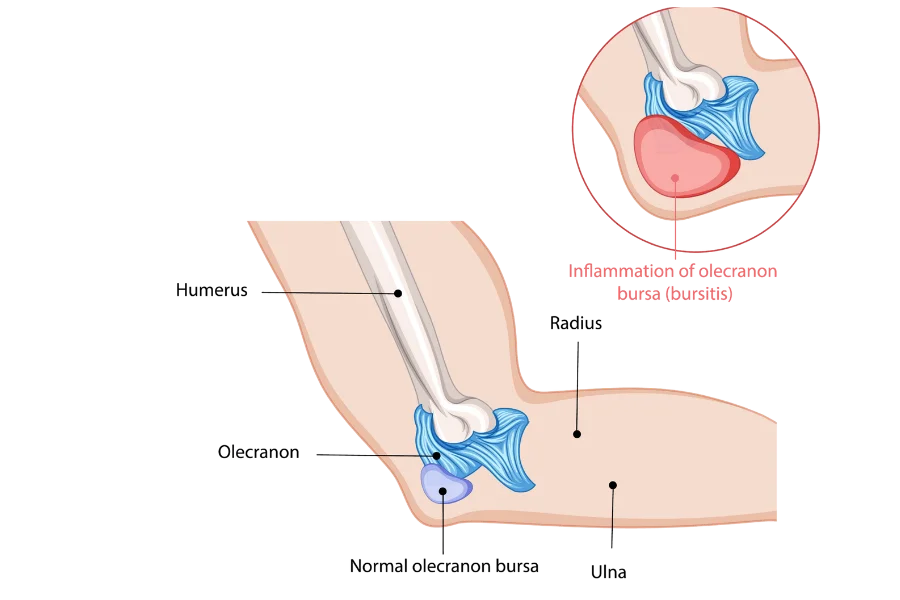
A fracture in this location can be excruciatingly painful and limit or prevent elbow motion.
The majority of distal humerus fractures are caused by a high-energy event, such as a direct strike to the elbow during an automobile accident. However, in an older individual with weaker bones, even a little fall might result in a fracture.
Surgery to restore the normal structure and motion of the elbow is frequently required to treat a distal humerus fracture.
Symptoms
Treatments:
Surgery is usually required for distal humerus fractures in which:
Open fractures are planned for surgery as soon as possible, usually within hours, due to the increased risk of infection. In the emergency room, patients are administered antibiotics by vein (intravenous) and may be given a tetanus shot. The incisions from the injury, as well as the surfaces of the broken bone, are completely cleaned out during surgery. In most cases, the bone will be healed at the same time as the wound. Open fractures, on the other hand, may necessitate more than one surgery.
Procedure
External Fixation: If you have a severe open fracture, your doctor may use an external fixator to keep the bones in place until you can have a second surgery.
The doctor creates small incisions in the skin and inserts metal pins into the bones during this procedure. The pins protrude through the skin and are connected to carbon fibre bars on the exterior. The external fixator serves as a frame to keep the elbow in place until a second surgery can be performed. It allows damaged skin to heal before surgery to repair the fracture, which may lower the risk of infection.
Internal Fixation: This is the most common method for treating distal humerus fractures. The bone pieces are moved (reduced) into their natural alignment and then kept in place with plates and screws inserted to the outside of the bone during the process.
Note
Most patients are able to resume their normal activities within 6 months, while full recovery can take up to two years. Regaining arm strength takes far longer than you might expect—up to 6 months or more in certain cases.
Our Treatment Process
Introduction & Connection
Assessment & Treatment Planning
Treatment & Recovery
Review & Ongoing Support
Why Choose Us?
Are you having ortho problems? Contact us today!
Contact With Us
Call us: +91 90032 22747