
Adhesive capsulitis, often known as frozen shoulder, is a shoulder ailment that affects your range of motion. Scar tissue forms over time when the tissues in your shoulder joint thicken and tighten.
Call us for the Help!
Shoulder Frozen / Shoulder Periarthritis / Adhesive Capsulitis
As a result, there isn’t enough room for your shoulder joint to rotate appropriately. Swelling, discomfort, and stiffness are common symptoms. If you’re between the ages of 40 and 60, you’re more prone to get the illness.
Frozen shoulder, or adhesive capsulitis, is a condition where the shoulder joint becomes stiff and painful because the capsule surrounding it thickens and tightens. It often develops gradually and is most common in people ages 40–60, especially those with diabetes, thyroid issues, or after a period of immobility. Symptoms progress through freezing, frozen, and thawing stages, each affecting mobility differently. Diagnosis is based on limited range of motion and ruling out other causes. Treatment includes physical therapy, stretching, anti-inflammatory medications, and sometimes corticosteroid injections. Though recovery can take months, most people eventually regain full or near-full shoulder function.
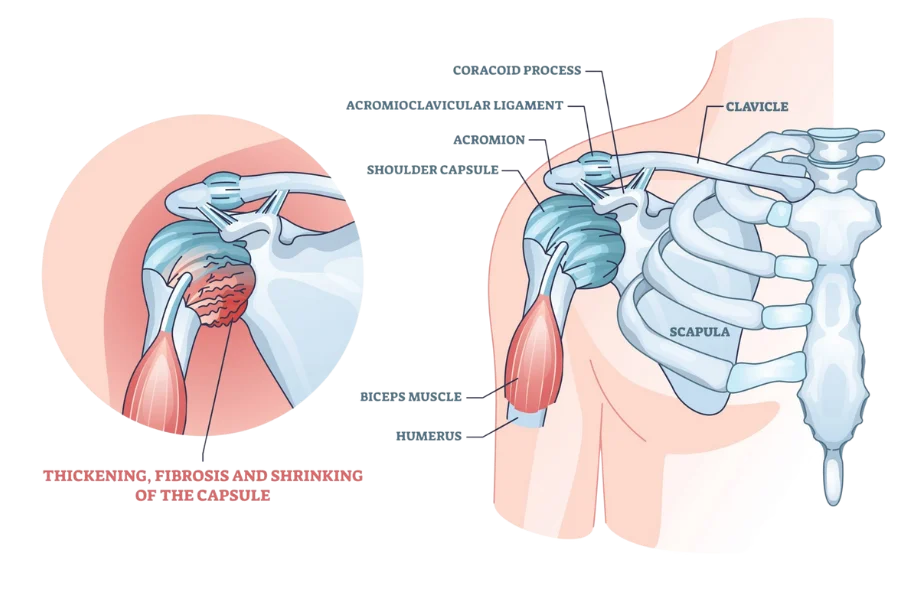
When your frozen shoulder starts to pain, you’ll notice it. As a result of the pain, you begin to restrict your movements. The shoulder stiffens when it is moved less and less.
You may be prone to joint inflammation if you have a hormonal imbalance, diabetes, or a weaker immune system.
Our Treatment Process
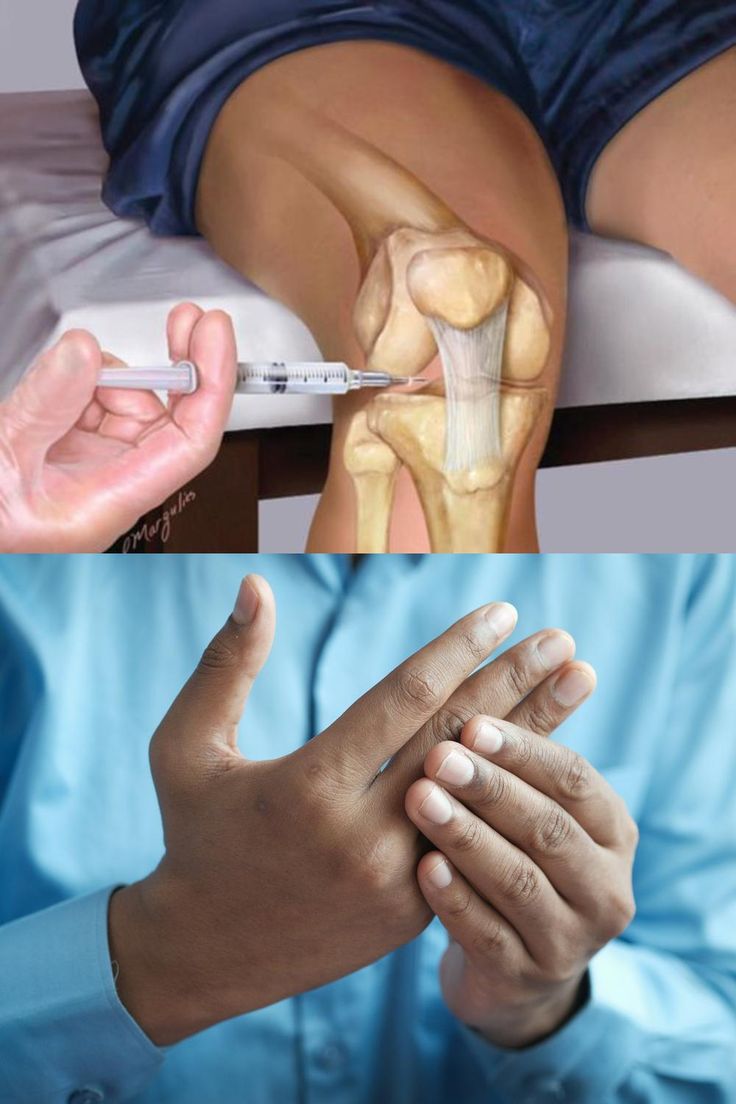
Introduction & Connection
Assessment & Treatment Planning
Treatment & Recovery
Review & Ongoing Support
FAQ
1. What causes shoulder pain?
2. When should I see a doctor for shoulder pain?
3. Why does my shoulder hurt at night?
4. Can shoulder pain be treated without surgery?
5. How is shoulder pain diagnosed?
Why Choose Us?
Are you having ortho problems? Contact us today!
Contact With Us
Call us: +91 90032 22747