
ACJ Arthritis

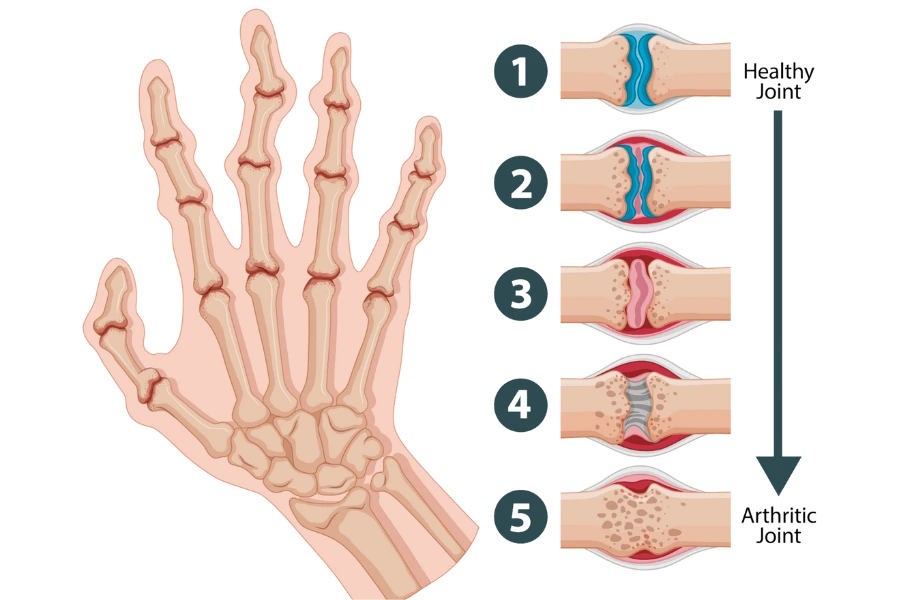
Arthritis is a degenerative joint condition. As a result, AC joint arthritis is a degenerative illness of the acromioclavicular joint, also known as the AC joint.

Call us for the Help!
+91 90032 22747

ACJ Arthritis

Normal wear and tear, or degeneration, of the cartilage in the joint occurs as a person grows older and uses the shoulder. There is cartilage loss, and the joint can wear down, expand, and grow spurs (spiny projections from the bone) around it over time. Osteoarthritis is a condition that develops from this deterioration. There is discomfort and swelling in the joint as it is utilised, similar to arthritis in other joints of the body. AC joint arthritis—osteoarthritis of the acromioclavicular joint—is common in middle age.
Treatments

Physiotherapy – to avoid further stiffness and restore range of motion.
Anti-inflammatories and pain relievers
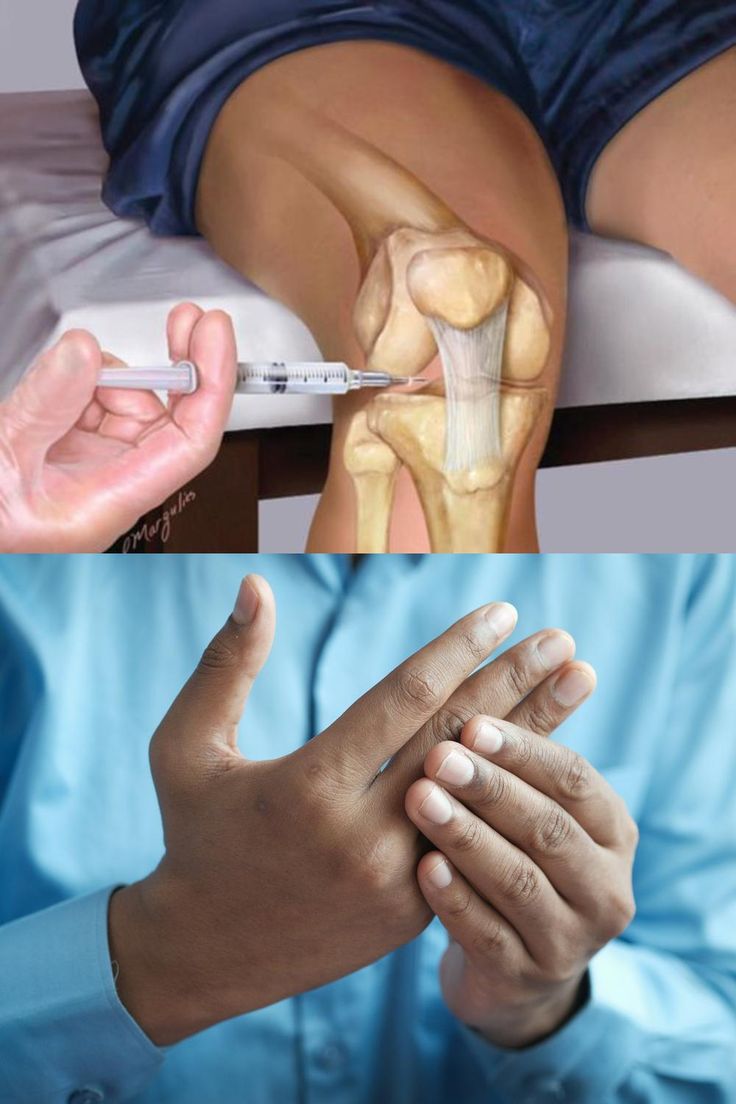
Injections into the affected joint - this usually relieves the pain for a short time.
Surgery may be indicated if the condition has progressed to the point where pain medication is no longer effective.

Acromioclavicular Joint (ACJ) arthritis occurs when the cartilage between the collarbone and the acromion wears down, leading to pain and inflammation at the top of the shoulder. It commonly develops from aging, repetitive overhead activity, previous injury, or heavy lifting. People often notice pain when reaching across the body, lifting weights, or sleeping on the affected side. Diagnosis is typically made through a physical exam and X-rays. Treatment usually includes rest, anti-inflammatory medications, physical therapy, and sometimes corticosteroid injections. In more advanced cases, minimally invasive surgery can provide long-term relief. Most patients manage symptoms well with conservative care.

Our Treatment Process
1
Introduction & Connection
We begin with a friendly discussion to understand your medical needs and build a foundation of trust for your treatment journey.
2
Assessment & Treatment Planning
Our experts evaluate your reports and design a personalized treatment plan with complete travel and visa support.
3
Treatment & Recovery
You’ll receive advanced medical care and guided rehabilitation for a smooth, safe, and speedy recovery.
4
Review & Ongoing Support
We continue to monitor your progress through online follow-ups, ensuring long-term health and comfort.

FAQ

1. What causes shoulder pain?
Shoulder pain can come from many issues, including rotator cuff injuries, tendonitis, arthritis, bursitis, frozen shoulder, labral tears, and joint instability. Sometimes pain also comes from the neck.
2. When should I see a doctor for shoulder pain?
You should seek medical care if pain lasts more than a few days, keeps you from lifting your arm, causes night pain, follows an injury or fall, or if there is swelling, weakness, numbness, or a visible deformity.1
3. Why does my shoulder hurt at night?
Night pain is common with rotator cuff inflammation or tears. When lying on the affected shoulder, pressure increases irritation, making the pain worse.
4. Can shoulder pain be treated without surgery?
Yes. Most shoulder conditions improve with rest, physical therapy, medications, injections, and activity modification. Surgery is usually considered only if symptoms don’t improve or if an injury is severe.
5. How is shoulder pain diagnosed?
Your provider may use a physical exam, X-rays, ultrasound, or MRI to understand the cause of the pain and guide treatment.

Why Choose Us?

Experienced Surgeons
Excellent outcomes
Best orthopaedics
History of Caring

Are you having ortho problems? Contact us today!

Contact With Us
Mail us: info@primeshoulder.com
Call us: +91 90032 22747
Working Time
Mon - Sat : 9:00am - 9:00pm
x

Reach out to our orthopaedic team for expert guidance and personalized care.
We’re here to help you move comfortably again.

Contact With Us!

Support mail:  info@primeshoulder.com

Opening Hours: Mon -Sat: 9:00am – 9:00pm

Call us : +91 90032 22747