
Biceps Tendinitis

Biceps tendinitis is characterised by inflammation of the tendon tissue, similar to other types of tendinitis. 

Call us for the Help!
+91 90032 22747

Biceps Tendinitis

The tendon sheath can thicken and swell as a result of the inflammation (the outer membrane containing the cord-like tendon fibres). Tenderness and discomfort are possible side effects. The mechanics of the shoulder joint may be affected by these changes in the tendon’s form, resulting in popping or snapping when you lift your arm over your head or otherwise use the joint.
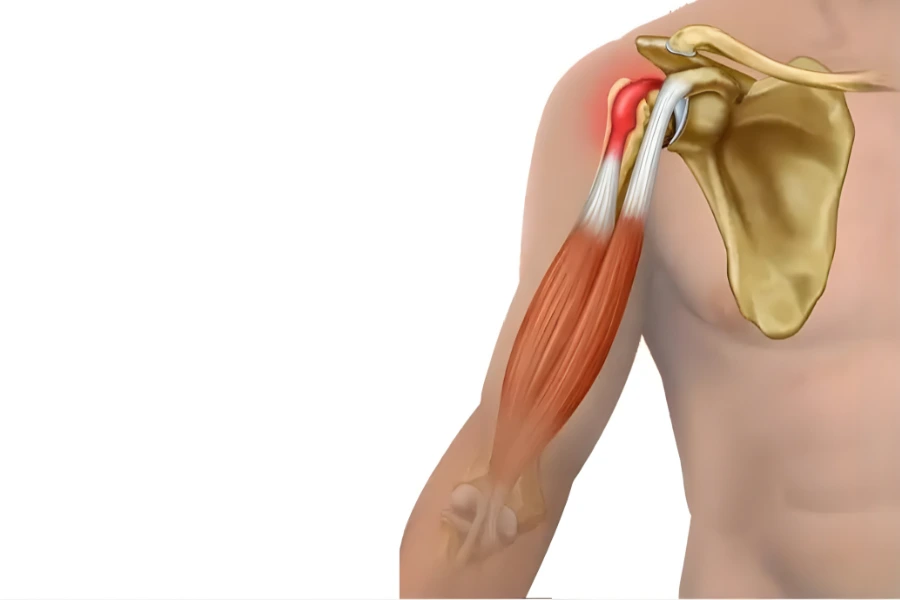
Symptoms:

Ache or soreness that runs the length of the upper arm
Overhand motions (such serving a tennis ball or painting a wall) or lifting goods high cause more pain (e.g., aeroplane carry-on bags)

It’s critical to have a tendonitis diagnosis. Biceps tendonitis can lead to frays and a more severe breakdown of tissue, which can lead to a partial or full rupture of the biceps tendon if it proceeds to frays and a more serious breakdown of tissue. This injury can result in considerable arm weakness and impairment.

Full tendon tears cannot be repaired without surgery; the torn tissue must be repaired and the biceps muscle reattached to the bone.

You can acquire a diagnosis and talk to your doctor about non-surgical, conservative treatment alternatives if you consult an orthopaedist early.

Our Treatment Process
1
Introduction & Connection
We begin with a friendly discussion to understand your medical needs and build a foundation of trust for your treatment journey.
2
Assessment & Treatment Planning
Our experts evaluate your reports and design a personalized treatment plan with complete travel and visa support.
3
Treatment & Recovery
You’ll receive advanced medical care and guided rehabilitation for a smooth, safe, and speedy recovery.
4
Review & Ongoing Support
We continue to monitor your progress through online follow-ups, ensuring long-term health and comfort.

FAQ

1. What causes shoulder pain?
Shoulder pain can come from many issues, including rotator cuff injuries, tendonitis, arthritis, bursitis, frozen shoulder, labral tears, and joint instability. Sometimes pain also comes from the neck.
2. When should I see a doctor for shoulder pain?
You should seek medical care if pain lasts more than a few days, keeps you from lifting your arm, causes night pain, follows an injury or fall, or if there is swelling, weakness, numbness, or a visible deformity.1
3. Why does my shoulder hurt at night?
Night pain is common with rotator cuff inflammation or tears. When lying on the affected shoulder, pressure increases irritation, making the pain worse.
4. Can shoulder pain be treated without surgery?
Yes. Most shoulder conditions improve with rest, physical therapy, medications, injections, and activity modification. Surgery is usually considered only if symptoms don’t improve or if an injury is severe.
5. How is shoulder pain diagnosed?
Your provider may use a physical exam, X-rays, ultrasound, or MRI to understand the cause of the pain and guide treatment.

Why Choose Us?

Experienced Surgeons
Excellent outcomes
Best orthopaedics
History of Caring

Are you having ortho problems? Contact us today!

Contact With Us
Mail us: info@primeshoulder.com
Call us: +91 90032 22747
Working Time
Mon - Sat : 9:00am - 9:00pm
x

Reach out to our orthopaedic team for expert guidance and personalized care.
We’re here to help you move comfortably again.

Contact With Us!

Support mail:  info@primeshoulder.com

Opening Hours: Mon -Sat: 9:00am – 9:00pm

Call us : +91 90032 22747